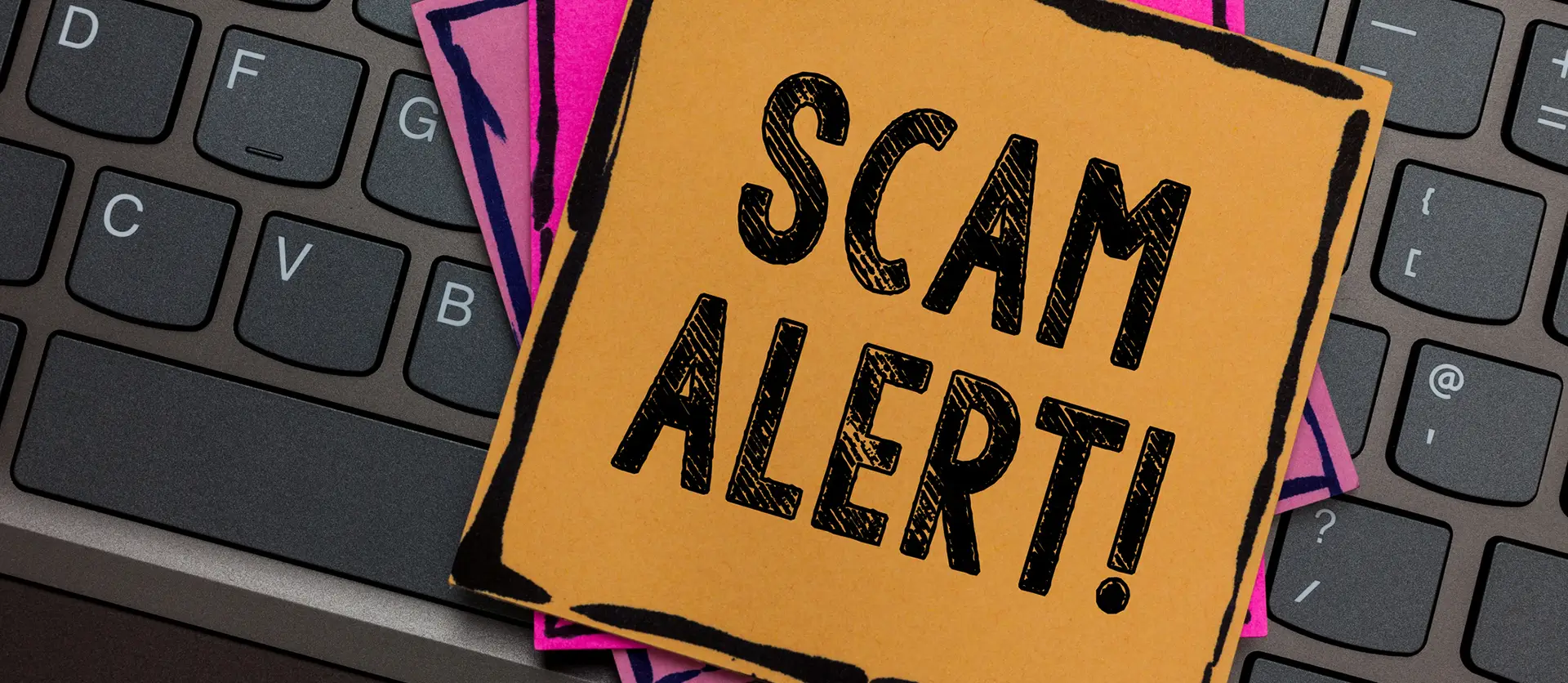
If it feels like online scams are getting smarter and harder to spot lately and that’s because they are.
Online scams are no longer limited to sketchy emails or obvious fake profiles. In 2026, businesses are being targeted across social media, Google Ads, and even their own websites through increasingly sophisticated tactics like impersonation, phishing, account takeovers, and ransomware attacks.
From convincing platform warnings to malicious ads and hidden website vulnerabilities, today’s scams are designed to look legitimate and create urgency. What used to be easy to spot is now blending seamlessly into everyday business operations making awareness more important than ever.
New Ways That Social Media Scams Target Your Business
Scams are getting smarter on social platforms, especially when it comes to impersonation.
Scammers are creating profiles that look almost identical to real businesses, vendors, or even platform support teams. Sometimes they reach out to followers pretending to run a giveaway. Other times they contact staff directly claiming there’s a security issue that needs urgent attention or requesting that a compromised password be updated.
Another increasingly common tactic involves fake copyright infringement messages. These show up as comments or DMs claiming your business has violated usage rights for an image or post. The message usually includes a link to “review the violation.” Clicking it often leads to malware or a fake login page designed to capture your access credentials.
Even more concerning is the rise of malicious ads. Some are placed through compromised accounts and appear completely legitimate, but redirect users to phishing sites. Others impersonate platform security teams, warning that an account will be deleted unless login details are verified.
Then there are business messaging scams. These often come through LinkedIn or Messenger and may look like vendor inquiries, partnership opportunities, or even job applications. Once a conversation starts, the scammer introduces a link, invoice, or attachment designed to compromise systems or redirect payments.
Because scams are getting smarter, they’re no longer easy to spot at a glance.
How to Tell if a Social Media Platform Warning You Get is Real
Mimicking real system alerts is another way that social media scams are getting smarter. Real notices from platforms like Facebook will appear inside official account support inboxes. They won’t demand passwords through messages or threaten immediate deletion within hours.
Scams, on the other hand, tend to rely on urgency. Messages that pressure quick action, contain suspicious links, or come through casual channels like Messenger should immediately raise red flags. Misspelled names, unusual page titles, and slightly altered email domains are also common signs that something isn’t right.
When in doubt, it’s always safer to check directly within the platform rather than clicking a link in an email.
Google Ad Scams Are Increasing Fast And You Need To Be Wary
Online scams are getting smarter in the paid advertising space too.
One of the most damaging attacks involves account takeovers. These begin with phishing emails disguised as billing notices, policy updates, or partner requests. They direct users to convincing fake login pages that capture credentials and even two-factor authentication codes. Once inside, scammers can add themselves as administrators and quickly launch fraudulent campaigns, sometimes draining thousands of dollars before the breach is discovered.
Another growing tactic involves “malvertising.” Fraudsters run ads that appear to promote legitimate software tools. Sending what look like leads to polished websites that instruct users to complete a simple technical “fix.” In reality, the process installs malware or steals login session information.
There’s also an uptick in fake support outreach. Scammers pose as agencies or vendors, often using slightly altered domain names, and initiate conversations that eventually lead to phishing links disguised as account reviews by “experts”.
And in some cases, attackers are using negative reviews as leverage by flooding a business profile with one-star ratings and then demanding payment to remove them.
Website Attacks And Ransomware Scams Are Scary For Businesses
Your business website is increasingly in the crosshairs, especially through ransomware attacks. In many cases, these attacks don’t start with a dramatic “hack.” They begin quietly sneaking in through outdated plugins, weak passwords, compromised admin access, or even phishing links that give attackers an entry point.
Once inside, cybercriminals can lock a business out of its own website, encrypt files, or take the site offline completely. Some replace the homepage with a ransom demand. Others threaten to leak customer data if payment isn’t made. For businesses that rely on their website for leads, bookings, or e-commerce, the impact can be immediate — lost revenue, damaged credibility, and potential legal concerns if customer data is involved.
Another growing tactic involves injecting malicious code that quietly redirects visitors to spam or phishing pages without the business owner even realizing it. In these cases, the site may still appear to function normally while harming customers and damaging search rankings behind the scenes.
The most common warning signs of a ransomware or website compromise include:
- Sudden inability to log in
- Unexpected admin users appearing
- Website redirects or strange pop-ups
- A sharp drop in search visibility
- Hosting alerts about unusual activity
Like many of today’s scams, prevention often comes down to awareness and routine maintenance like keeping software, themes and plugins updated, limiting admin access, and acting quickly when something feels off.
What All These Online Scams Have in Common
Most of these threats don’t rely on brute-force hacking, they rely on trust. They look familiar, they sound urgent, and they mimic real workflows. That’s what makes them effective and why they are bypassing traditional safeguards.
How To Keep Your Business Protected From Online Scams
Strong account security still matters — things like multi-factor authentication, access audits, and careful review of login activity are essential. But just as important is awareness. Remember:
- Real platform warnings live inside official dashboards
- Legitimate companies won’t ask for passwords through messages
- Be cautious about unexpected links even when they appear to come from trusted sources
The best defence often starts with recognizing what doesn’t feel right and verifying that it’s “real” before reacting.
When Something Feels Off, Don’t Waste Time. Take a Second Look Right Away
If a message seems urgent, threatening, or just slightly “not right,” it’s worth a second look. And if getting through to support is difficult or something just doesn’t sit right before clicking a link, reach out to 3SIXTY Marketing Solutions at 705-252-4180 or info@3sixtymarketingsolutions.com. Our team understands how these scams operate and we’re here to help clients make informed decisions before small issues turn into expensive problems.
At 3SIXTY Marketing Solutions, helping clients spot risks and avoid costly traps is part of going that extra mile and we will go that extra mile every time when it means protecting busy business owners like you from hackers or added expenses you don’t need to incur. Building security systems into our websites is standard, updating plugins is done on an ongoing basis, and troubleshooting for our customers is never a problem.
To stay ahead of the latest threats, follow us on our social media pages because scams are getting smarter, and staying informed is one of the best ways to stay protected.