
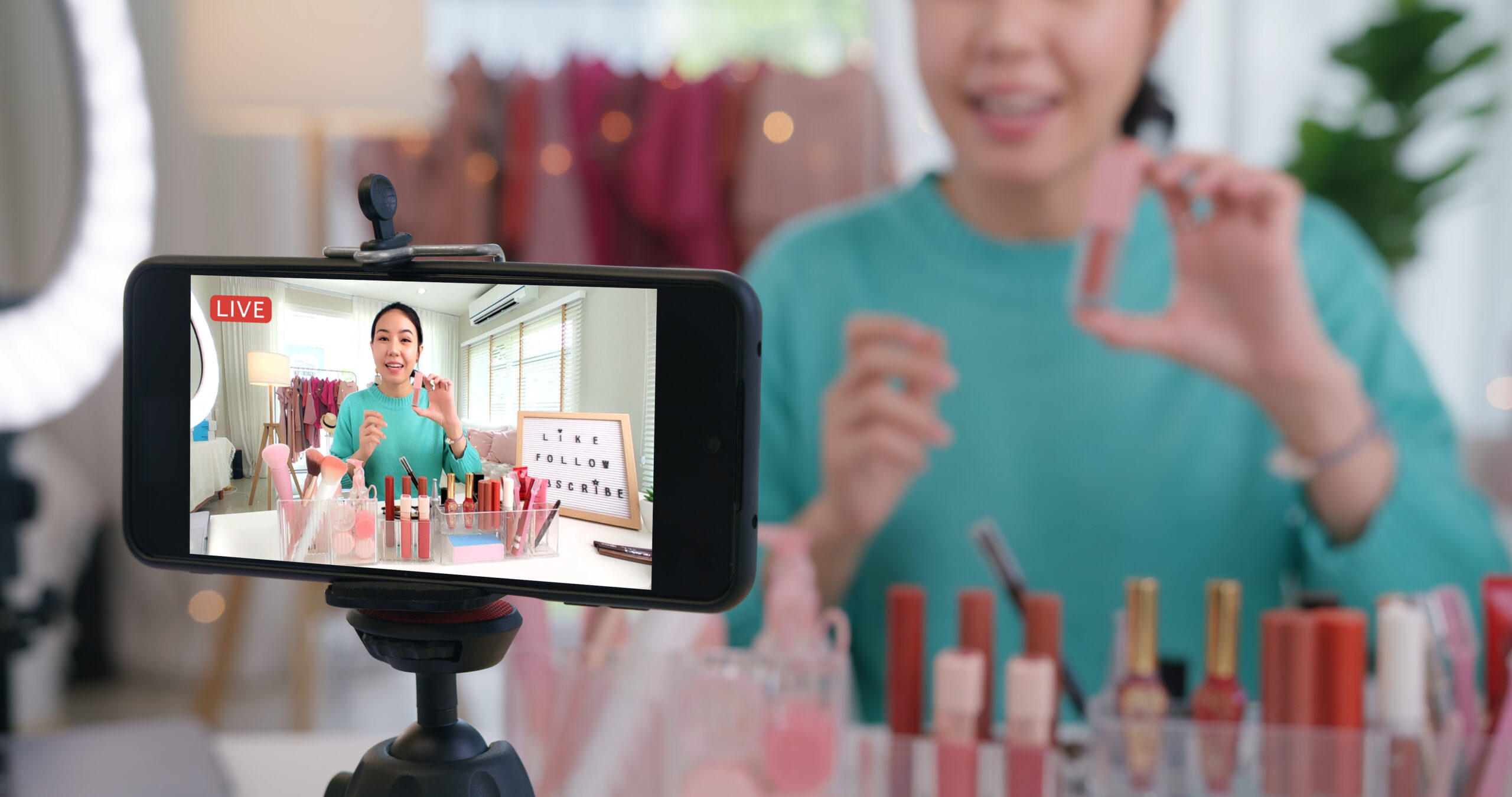
Micro-influencers have become one of the most powerful pieces of the social media marketing puzzle, and businesses of all sizes are taking notice. With new platforms popping up, AI changing how content is created, and online trends shifting faster than ever, brands have had to rethink how they show up online. And while keeping up with every new tool can feel like a lot, one thing has become clear, micro-influencers are playing a huge role in shaping successful digital strategies.
For a long time, the dream was to land a celebrity endorsement or a massive creator with millions of followers. Big audience, big reach, big impact, right? Not quite. These days, the real magic is coming from creators with smaller, more engaged communities. Micro-influencers offer authenticity, trust, and connection in a way that big-name influencers often cannot.
They’re helping businesses build stronger visibility, deeper engagement, and more meaningful relationships on social media without the inflated price tag of traditional influencer marketing.
What Exactly Is a Micro-Influencer?
Micro-influencers typically have between 10,000 and 100,000 followers, but what makes them stand out is not the size of their audience—it is the quality of it. They talk with their followers. They reply to comments. They share day-to-day experiences. Their influence comes from genuine connection, not celebrity status.
This means their audiences are tightly curated, often centred around specific interests like fitness, tech, beauty, parenting, gaming, home décor, or small business tips. And when an audience cares deeply about a topic, the right recommendation can go a long way.
Why Micro-Influencers Are an Important Marketing Tool For Your Business
Authenticity and Trust Come First with Micro-Influencers
The biggest advantage micro-influencers have is simple: people trust them.
Their recommendations feel real because they usually only promote products or services they genuinely like. Compared to a celebrity holding a product for a sponsored photo, a micro-influencer’s content feels more like advice from a friend.
Studies show that most consumers trust peers and relatable online creators far more than big name endorsements and that trust directly impacts buying decisions.
Plus, micro-influencers stay engaged. They answer questions, respond to messages, and make followers feel seen. That two-way communication builds credibility that influencers with a large following just cannot match.
Higher Engagement = Higher Impact
For years, marketers chased big follower counts. But follower numbers alone do not tell the full story.
Engagement is what really matters, including likes, comments, shares, link clicks, saves, and conversations. According to Phyllo, an influencer API, micro-influencers consistently outperform celebrities on engagement:
- On Instagram, micro-influencers average around 3.86% engagement, compared to about 1.21% for mega influencers.
- On TikTok, the gap is even bigger, with micro-influencers averaging over 12% engagement.
Why such a difference? Large influencers attract passive followers. Micro-influencers build active communities with people who care, follow closely, and are ready to engage.
For businesses, that means more visibility, stronger interactions, and better chances of converting followers into customers.
Micro-Influencers Offer a Better Return on Investment
For many small and medium-sized businesses, celebrity influencer partnerships are simply out of reach. One post can cost thousands—or tens of thousands—of dollars.
Micro-influencers, on the other hand, are far more budget-friendly. Many collaborate at accessible rates, and some even partner in exchange for products or experiences.
That affordability also gives businesses more flexibility. Instead of relying on one post from one expensive influencer, you can work with several micro-influencers across different niches through a series of posts. This grows your reach, diversifies your audience, and increases the volume of content being shared about your brand.
Building A Smarter, More Targeted Digital Marketing Strategy
Micro-influencers thrive in niches, including tech, fashion, parenting, food, wellness, business tips, gaming, and countless others. You can choose to work with influencers whose audiences are already interested in the type of product or service you offer.
Working with several micro-influencers can help your brand reach multiple pockets of your target audience, generate a wide variety of social content, build credibility from different voices sharing real experiences, and make a larger impact on social feeds without overspending. It is one of the most scalable strategies available today.
How to Build a Micro-Influencer Strategy
If your business is ready to explore working with micro-influencers, here is a simple approach:
1. Find the Right Micro-Influencers
Search hashtags, keywords, and topics relevant to your industry. Check who is already tagging your brand or talking about products like yours. Some of your best partners might already be fans. Use influencer marketing tools when possible, or browse manually on Instagram, TikTok, YouTube, LinkedIn, and Pinterest.
What are you looking for? Strong engagement with social posts, not just follower counts, and content that reflects your brand values. Read the comments – does the influencer respond? Is there a real connection to the community that they have built?
2. Build Real Relationships
Micro-influencers are real people, not ad spaces. Personalize your outreach by letting them know why you chose them and what you appreciate about their content. A positive first collaboration often leads to referrals or long-term partnerships. Look at who they’re working with or following and see if there are possibilities for collaboration that will bring more engagement for your brand.
3. Set Clear Expectations
Many micro-influencers do not have managers, so your brief should be simple and clear:
- What the campaign goal is for your brand
- Key messages or hashtags to include in their posts
- What they need to deliver, ie. how many posts within what time frame
- Timing, deadlines, and compensation
- Any brand guidelines they’ll need to follow
Give them creative freedom, they know their audience best.
4. Help Micro-Influencers Build Their Audience
If possible, offer them an incentive to entice their followers, like prizing for a contest or a special discount on your product or services. Micro-influencers love it when they can offer their audience a bonus. Plus, it’s a win-win – it increases their engagement and expands their community while putting your brand front and center.
5. Repurpose Content From Micro-Influencers
Share influencer posts on your own channels, ads, and website (with permission). It strengthens the partnership and extends the value of each collaboration.
6. Track Results and Adjust
Monitor engagement, link clicks, sales, and audience growth. Double down on what works and refine the strategy as you go. When you’re sharing your brief with them, ask them to share their analytics with you once your campaign is over.
Micro-Influencers Can Bring Your Brand’s Marketing to the Next Level if You’re Ready to Take the Initiative
Micro-influencers are reshaping how brands connect with people. Their authenticity, affordability, and deep engagement make them one of the most effective marketing tools available today. Whether you’re running a small local shop or leading a national brand, bringing micro-influencers into your strategy can spark real, meaningful growth.
If your business wants help building a strong influencer marketing plan, 3SIXTY Marketing can put together a customized strategy that drives results and builds real connection with your ideal audience.
Call 705-252-4180 or book a consultation online, to get started.